[ad_1]
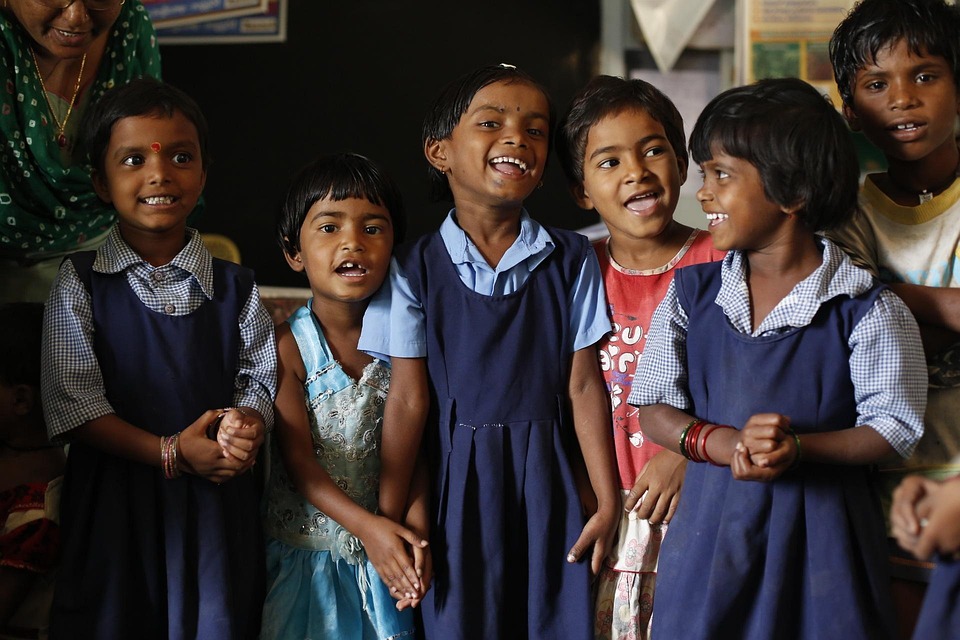
In the ever-evolving landscape of education, effective communication remains a cornerstone of successful teaching and learning. The modern classroom is not just a place for information exchange; it’s a dynamic environment where students and teachers interact, collaborate, and learn from each other. However, traditional methods of communication can sometimes lead to silences that inhibit engagement. This article explores ways to enhance communication in today’s classrooms, fostering a more inclusive and participatory learning environment.
The Importance of Communication in Education
Communication is the lifeblood of any educational setting. It shapes the relationships between teachers and students, enhances collaboration among peers, and facilitates the sharing of ideas. More than just delivering content, effective communication cultivates an environment where students feel safe to share their thoughts and questions.
According to research by the National Education Association, classrooms that promote open dialogue and active participation lead to better academic outcomes. When students engage in discussions, they are more likely to grasp complex concepts, retain information, and develop critical thinking skills. Thus, breaking the silence in the classroom can dramatically influence the educational experience.
Barriers to Communication in the Classroom
Despite its importance, several barriers can inhibit effective communication in classrooms:
- Large Class Sizes: In crowded classrooms, individual voices can get lost, making it difficult for students to engage actively.
- Diverse Backgrounds: Students come from varied cultural, linguistic, and socio-economic backgrounds, which can create miscommunication or disengagement.
- Fear of Judgment: Many students hesitate to participate due to fear of being judged by peers or teachers.
- Traditional Teaching Styles: A focus on lectures and rote memorization can stifle student input and limit interactive dialogue.
Strategies to Enhance Communication
1. Foster a Safe Environment
Creating a classroom atmosphere where students feel safe to express themselves is crucial. Teachers can achieve this by setting clear expectations for respectful dialogue and actively addressing any bullying or negative behavior. Encouragement from educators can significantly lower the fear of judgment and promote openness.
2. Use Collaborative Learning Strategies
Implementing group activities and peer-to-peer learning opportunities encourages students to communicate and work together. Techniques such as think-pair-share, small group discussions, and cooperative projects can enhance student engagement and foster collaborative problem-solving skills.
3. Integrate Technology
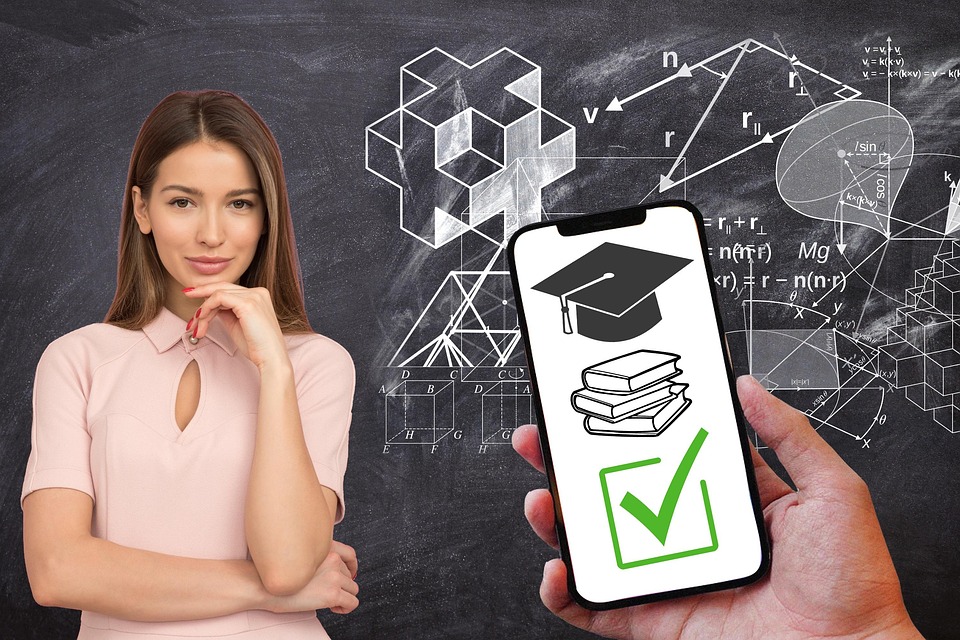
Technology can play a significant role in enhancing communication. Tools such as discussion boards, collaborative documents, and video conferencing can facilitate interaction among students, whether they’re physically present or attending classes remotely. These tools also cater to various learning styles and preferences, allowing for personalized communication.
4. Encourage Questions and Feedback
Teachers should actively encourage students to ask questions and provide feedback on the learning process. Tools like anonymous question boxes or online forums can promote a culture of inquiry and make students feel more comfortable bringing up difficult topics or seeking clarification.
5. Incorporate Active Listening Techniques
Active listening is essential for effective communication. Teachers can model active listening by giving full attention to students when they speak, nodding, and providing feedback to show understanding. This behavior not only validates the student’s contribution but also encourages the practice among peers.
Measuring Success
To determine whether communication strategies are effective, educators should regularly assess the learning environment and student engagement. Surveys or exit tickets can provide valuable feedback on how students perceive the classroom atmosphere. Additionally, observing participation rates and academic performance can help measure the success of communication-enhancing initiatives.
Conclusion
Breaking the silence in today’s classroom is vital for creating an inclusive and engaging learning environment. By adopting strategies that foster open communication, educators can enhance student participation, collaboration, and overall academic success. As classrooms become increasingly diverse and complex, the need for effective communication will only grow more essential. In paving the way for a vibrant dialogue among students and educators, we are not just improving educational outcomes; we are preparing students for future collaboration in an interconnected world.
FAQs
1. Why is communication important in education?
Effective communication in education fosters a collaborative learning environment, enhances student engagement, and supports better academic outcomes by promoting understanding and critical thinking.
2. What are some common barriers to communication in the classroom?
Common barriers include large class sizes, cultural and linguistic diversity, fear of judgment, and traditional teaching styles that do not encourage engagement.
3. How can technology improve classroom communication?
Technology can facilitate interaction through discussion boards, collaborative tools, and video conferencing, allowing for personalized communication and catering to different learning styles.
4. How can teachers create a safe environment for communication?
Teachers can foster a safe environment by setting clear expectations for respect, addressing negative behavior promptly, and encouraging open dialogue.
5. How can I measure the effectiveness of my communication strategies?
Educators can measure effectiveness through surveys, feedback forms, observation of participation rates, and academic performance metrics to assess student engagement and learning outcomes.
[ad_2]